
Devotionals
When Children Compare Themselves: Is Comparison Really the Thief of Joy?
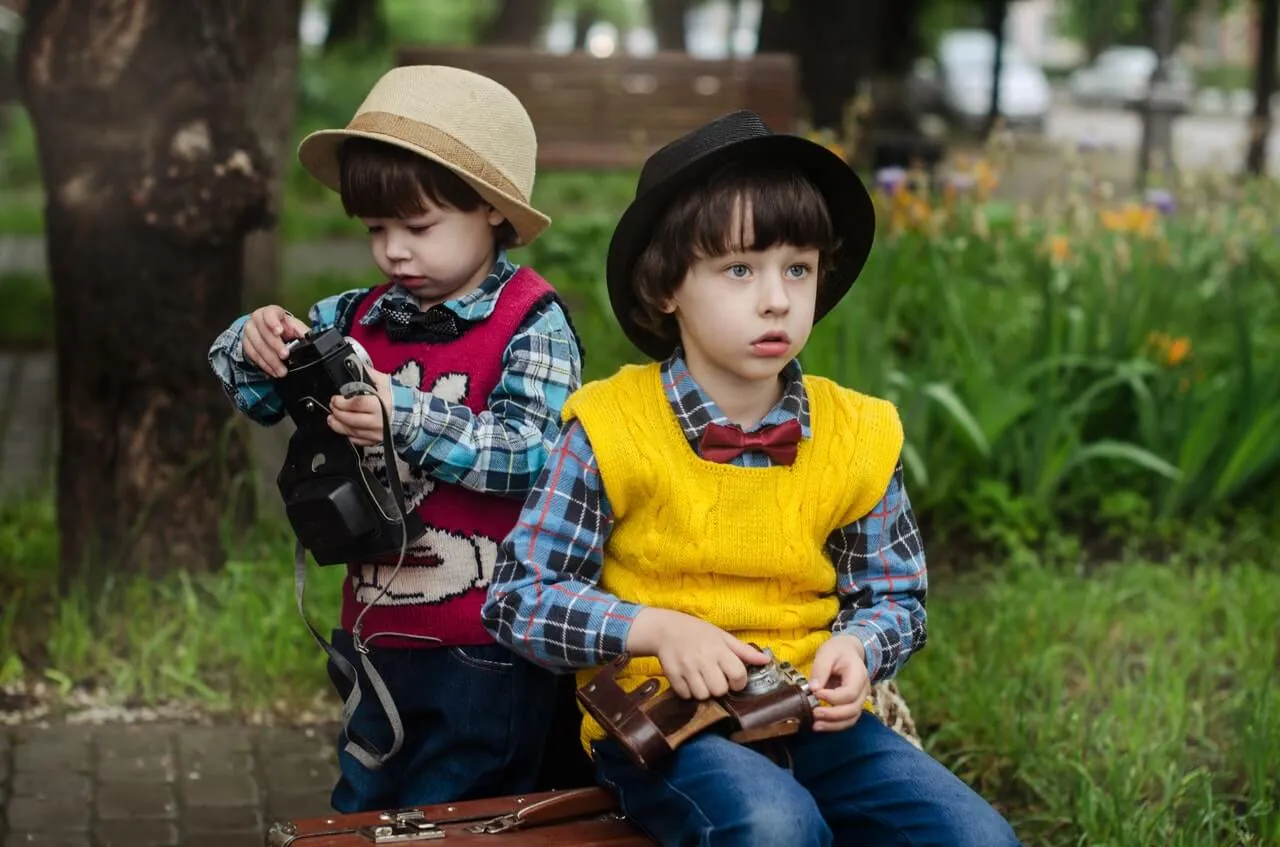
Helping my seven-year-old write an essay on the differences between puppies and kittens is like a journey into the depths of the human soul. We teach our children to compare two things. To evaluate why puppies are different from kittens.
Yet when our child sees a child in a wheelchair or a male figure skater performing as a woman, we immediately fall silent. Hoping our child does not notice anything.
And as soon as he begins comparing himself to those individuals, we panic. We call it sin.
Can we stop comparing?

If Theodore Roosevelt’s saying, “Comparison is the thief of joy,” is true, then comparing something is the same as comparing happiness.
Roosevelt’s words have meaning in a certain context. Yet after listening to all the discussions, sermons, and podcasts by Christians, many people treat that quote as though it were the very words of God. The solution then seems obvious: stop comparing. Stop measuring yourself by other people. Stop noticing differences. It will only lead to suffering.
The problem is, we cannot stop comparing. Comparison is a fundamental part of being human, because it is how we recognize reality. The first thing Adam did when he saw Eve was make a brief comparison and contrast. “She is like me, but different.” Not only is it impossible to eliminate the tendency to compare, but God wants us to do it.
Comparison Is Necessary

Comparing is how we discover holiness. It is how we distinguish ourselves from what is not ourselves and come to a right understanding of who we are. Ignoring comparison means ignoring the understanding of God and ourselves. So what we need is to practice comparing rightly, not to stop comparing altogether.
If we removed all comparison and contrast from the Bible, there would not be much left of the book. God’s laws and commands help us see who we are and who we are not. What we should and should not do.
The law of God also helps us compare ourselves with others, so that we may imitate what is good and not copy what is evil. This is not sin, but an essential element in the growth and spiritual health of a Christian.
“Do not be conformed to this world, but be transformed by the renewal of your mind, so that you may discern what the will of God is: what is good and acceptable and perfect.” – Romans 12:2
What concerns me is that we often do the opposite. Instead of using comparison for spiritual growth, we close our eyes when others do what is right. We do not want to feel the discomfort of realizing that we are not as good as they are.
That logic makes us think that feeling bad about sin is the problem, and therefore it must be avoided. In fact, when we stop comparing ourselves, we are actually shutting ourselves off from reality.
Of course, we need to evaluate whether a comparison is truly necessary or completely artificial. Do not compare our real lives (homes lived in by people with oily faces, toilets that can smell) with someone’s fake life we see on Instagram (odorless, gleaming homes, oil-free faces). That is a false comparison.
Our goal is to discern what is real and what is not, not to chase an unrealistic image.
Make Comparison a Spark for Joy

What if, instead of condemning someone whose life is a mess, we helped them find a solution? We quote Paul, “Be imitators of me, as I am of Christ,” not because we are better than that person. We believe that God, who has changed our lives so wonderfully, is certainly able to do the same for others (1 Corinthians 11:1).
Comparing rightly, far from envy, pride, greed, and self-pity, and toward imitation of Christ, will make us better parents, mentors, and friends.
Teaching Children Through Comparison

Faithful parenting (faithful parenting) means discipling our children in real life. Many parents object when their children make observations about themselves and their siblings. For example, “I’m not a smart student. My older sibling is smarter.” We then comfort them, “Oh, that’s not true, dear. You are smart!”
But is that really true? Does it matter to parents whether what their child says is accurate or not?
Yes, it does matter.
If our child performs less well at school while their sibling excels more, we should not pretend that it is not an issue. If we do, we train our child to ignore reality. As though honest words are frightening or too hard to accept.
That gives the impression that whatever distinguishes them from others is something terrible and difficult to face, so much so that it must not be spoken. We push reality aside in order to indulge the child, when in fact we are the ones being indulged. We ignore shortcomings as though they were too heavy to bear.
But what if we acknowledge that what the child says is partly true? That their sibling grasps lessons quickly, while they need to study harder in order to get good grades. Then we guide them to give thanks because God made their sibling as they are. We direct them to pray for discipline and the gift of grace from God so that they may study better.
When a child struggles, we teach them to ask God for contentment in the areas where they are less capable. To give thanks for the strengths that God has given them, which are different from those of their siblings.
We will be able to do that by asking God to give us ‘thick spiritual skin.’ In that way, we can live in the midst of this diverse world without the narcissistic insecurity that others have more, can work harder, or are more impressive than we are.
In Christ, we have everything; let us not dishonor Him by being busy pitying ourselves (Romans 8:32).
Difference Is God’s Design

The Bible declares that some people have strong faith, while others do not (Romans 15:1). Some have this talent, others that one. Some are beautiful, others plain. Some have fine houses, others ordinary ones. Children with disabilities. Different ethnicities and languages. Some people are more like Christ and more mature than others.
Noticing differences is not sin but a blessing. It does not evaporate our joy, but becomes water for spiritual growth. Imitating holiness is not about pressing ourselves into someone else’s mold, but about following the principles of Christ that they apply. We do not make every voice the same, but learn the same song about the Lamb who was sacrificed for us (Romans 10:12).
Being His follower does not mean we must be identical (Romans 12:4-8), but that amid each person’s diversity, we are trained to walk together in the light of Christ.
About the Author

Digital Ministry Team
The Digital Ministry Team is the digital ministry of GKDI (Gereja Kristus di Indonesia), bringing the good news of the gospel into digital spaces — through articles, videos, and content anyone can reach, anytime.
We write about faith, family, work, and everyday struggles — the real things people wrestle with, seen through an honest and down-to-earth biblical lens. Our hope is simple: that every article helps you know Jesus more closely and grow together with a community.
Have a question, some feedback, or a story to share? Reach us through GKDI social media or at [email protected].
God's House, Our Home.
RELATED ARTICLES

New Life, New Beginning
Everything new is usually appealing, including a new life. That is, when we leave the old behind and step into an experience that is truly new. Speaking of a new life, there is…
Read More
Christmas Day, Time to Reflect on These 3 Things
When I was little, Christmas Day was a special day. Besides receiving many gifts from Sunday school, I was also treated to many attractions such as dramas, Christmas songs...
Read More
3 Heart Attitudes from the Song Everlasting Father
For You are my Father, the everlasting Father. I am sure many of us are familiar with this song, Everlasting Father. Its lyrics lead us to reflect more deeply on God the Father and what He does in this life...
Read More